
MFL at North Feriby
The Core Christian values at North Ferriby Church of England Primary School are Courage, Friendship, Perseverance and Respect. These values underpin our curriculum and enrich all aspects of our pupils’ education. Our curriculum prepares children for the future by developing Heathy and Safe, Trusting, Enterprising and Creative members of the local community. Embedded within our teaching and learning are opportunities for the pupils to understand the meaning and significance of the Christian faith.
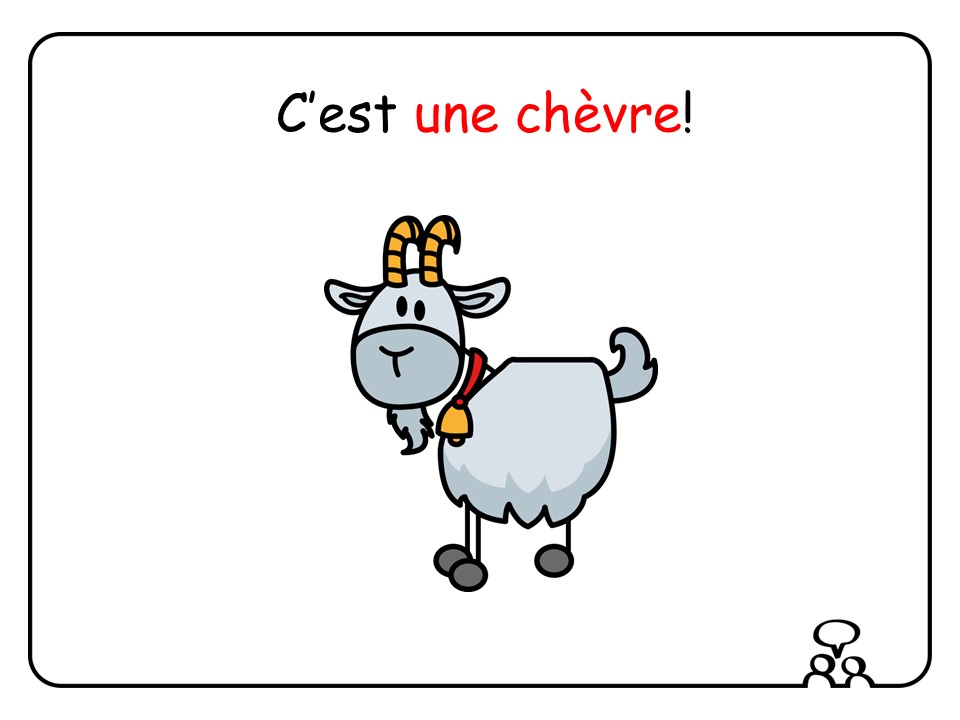
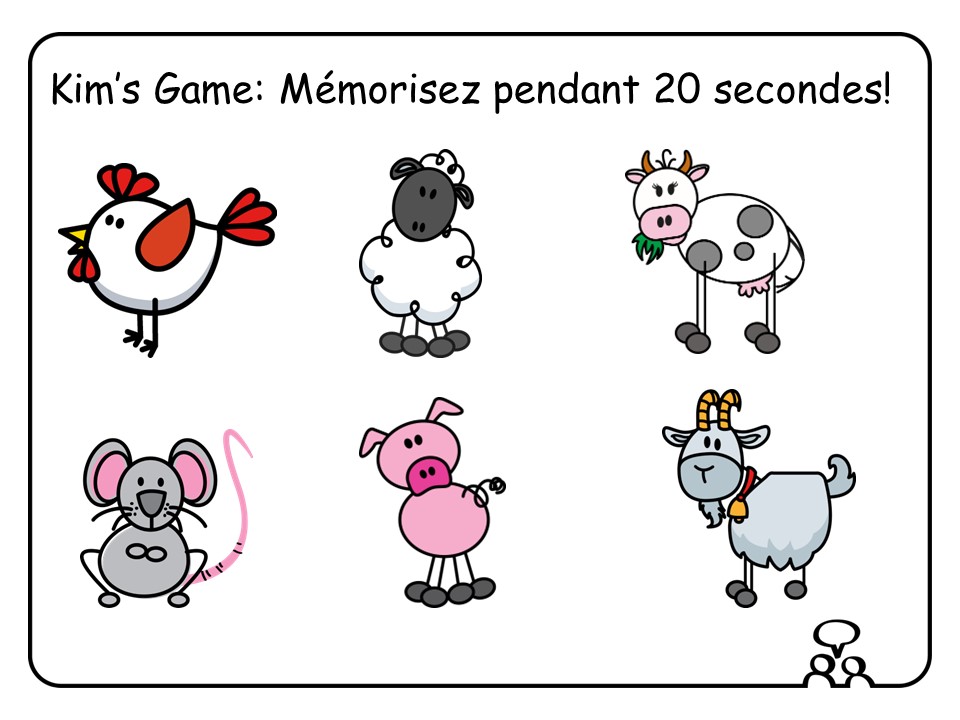
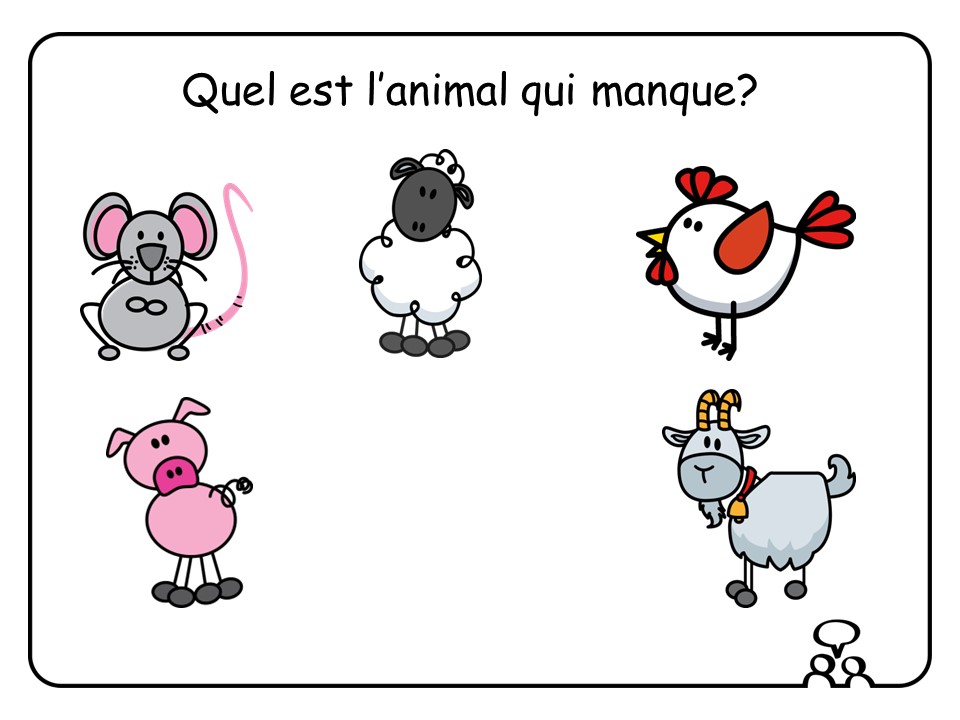
It is our intent at North Ferriby Church of England Primary School to provide all of our children with a high-quality education in Modern Foreign Languages, which develops their love of learning about other languages and cultures. We deliver French as our Modern Foreign Language. It is our intention to ensure that by the end of Key Stage 2, our pupils have acquired an understanding of both spoken and written French, confidence to speak in French with others and know how important other languages can be in their future.


The Teaching of MFL Through a Structured Process
Our ilanguages lessons revisit previous learning; allowing pupils the opportunity to apply previously taught skills and knowledge. A strong focus on pronunciation and phonics also allows pupils to improve their spoken French. A co-operative learning methodology enhances interaction and progress.
Lessons are practical and based on speaking and listening with written work to reinforce only when needed. The curriculum provides an appropriate balance of spoken and written language and lays the foundations for further foreign language teaching at key stage 3. It enables pupils to understand and communicate ideas, facts and feelings in speech and writing, focused on familiar and routine matters, using their knowledge of phonology, grammatical structures and vocabulary.
Further information about the curriculum coverage for each year group can be found within the documents listed below:






Impact of MFL at North Ferriby
Our pupils are confident developing their language skills. They understand and respond to spoken and written language from a variety of authentic
sources. They can speak with increasing confidence, fluency and spontaneity, finding ways of communicating what they want to say, including through discussion and asking questions, and continually improving the accuracy of their pronunciation and intonation.
They can write at varying length, for different purposes and audiences, using the variety of grammatical structures that they have learnt.
They discover and develop an appreciation of the culture in a different country and are able to compare and contrast with their own country.
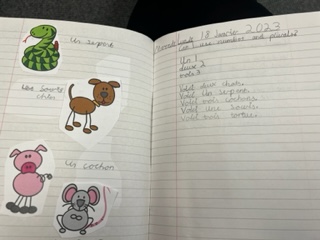
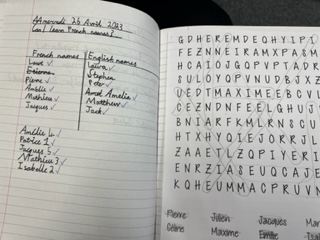
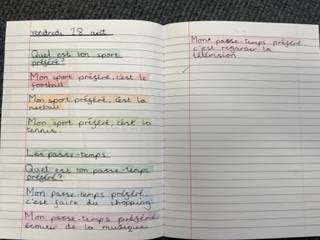
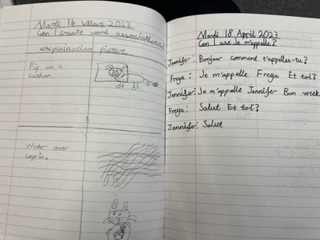

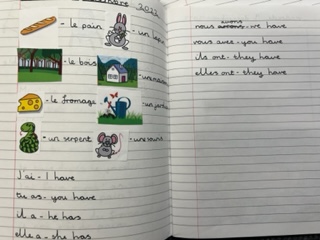
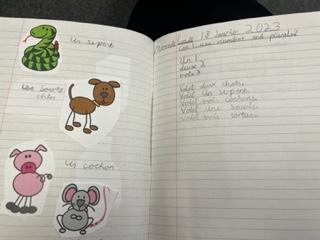
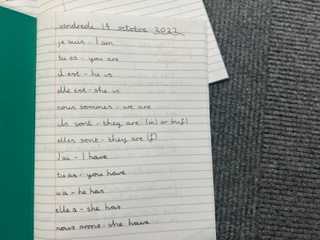
“I can ask someone their age in French, Quel âge as-tu? I can reply to simple questions in French too.”
“I can say the days of the week in French starting with lundi for Monday and dimanche for Sunday.”
test
“I can make an order in French and love to do role play with my friends. Bonjour, Je voudrais des escargots et des frites s’il vous plait”
“I can explain what the weather is like in French. My favourite type of weather is Il neige – It’s snowing!”
