
Science at North Ferriby
The Core Christian values at North Ferriby Church of England Primary School are Courage, Friendship, Perseverance and Respect. These values underpin our curriculum and enrich all aspects of our pupils’ education. Our curriculum prepares children for the future by developing Heathy and Safe, Trusting, Enterprising and Creative members of the local community. Embedded within our teaching and learning are opportunities for the pupils to understand the meaning and significance of the Christian faith.
At Ferriby, our vision is to ignite pupils’ curiosity and encourage them to confidently explore and discover the world around them, so that the children are capable, confident, creative thinkers and motivated, resilient, problem-solving learners. We engage pupils with inspirational, practical, purposeful, and challenging learning activities, which have the principles of enquiry and investigation, so they develop a deeper understanding of the world we live in.
We want our pupils to: build on their natural curiosity and enable them to understand and care for the world in which they live; work in an investigative way and communicate their findings in a variety of ways; use equipment safely and sensibly; develop scientific knowledge and conceptual understanding through the specific disciplines of biology, chemistry and physics; develop understanding of the nature, processes and methods of science through different types of scientific enquiry that help them to answer scientific questions about the world around them; be equipped with the scientific knowledge and vocabulary required to understand the uses and implications of science, today and for the future.
When planning for the science curriculum, we intend for children to have the opportunity, wherever possible, to learn through varied systematic investigations, leading to them being equipped to ask and answer scientific questions about the world around them. As children progress through the year groups, they build on their skills in working scientifically, as well as on their scientific knowledge, as they develop greater independence in planning and carrying out fair and comparative tests to answer a range of scientific questions. Our Science curriculum ensures that children have a varied, progressive and well-mapped-out sequence of learning that provides the opportunity for progression across the full breadth of the science curriculum from Early Years Foundation Stage to Year 6.
The Teaching of Science Through a Structured Process
All pupils at North Ferriby have access to a broad, balanced and enriching Science curriculum through a sequential development of knowledge whilst developing a range of scientific procedures and expansion of vocabulary across all key stages.
Where possible, key Scientific subjects are allocated into linked curriculum themes or taught as discreet areas. The planning of the scientific units ensures that knowledge builds over time and is introduced in an order that enables pupils to build their knowledge of important concepts throughout their time at North Ferriby. The Science Long Term Plan (LTP) outlines the units to be covered by each year group. These units and associated objectives form the Scheme of Work for each year group ensuring a basis of retrieving and developing knowledge as detailed in the Science progression.
This ensures that the our scheme of work identifies what pupils already know before outlining the new learning in the next stage of the learning journey. Children will use their knowledge of scientific concepts, laws, theories and models (substantive knowledge) and will develop their conceptual understanding of practices/procedures (disciplinary knowledge) when answering scientific enquiries/questions.

Scheme of Work Structure
Lesson 1
Each new science unit begins with an introduction and an assessment of the knowledge and understanding the children already have of the new topic. The class will then consider the next steps in their learning and ask questions about the new topic.
Unit Lessons
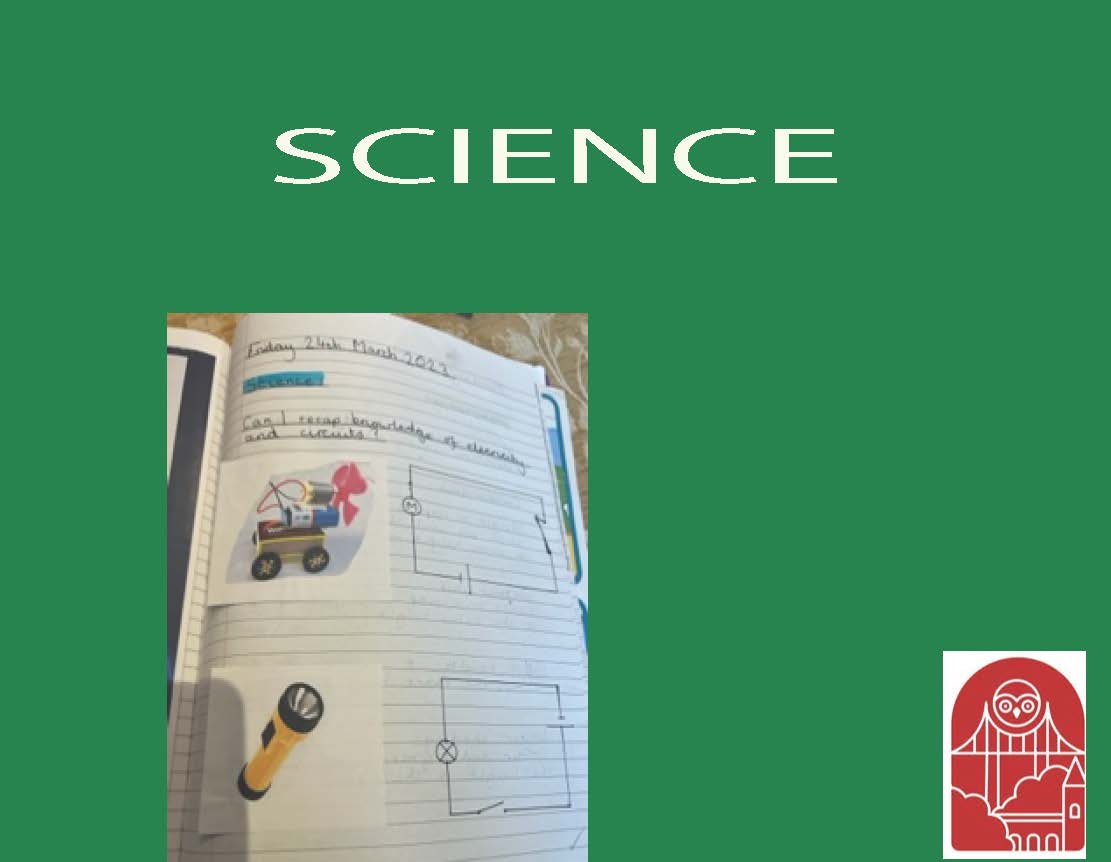
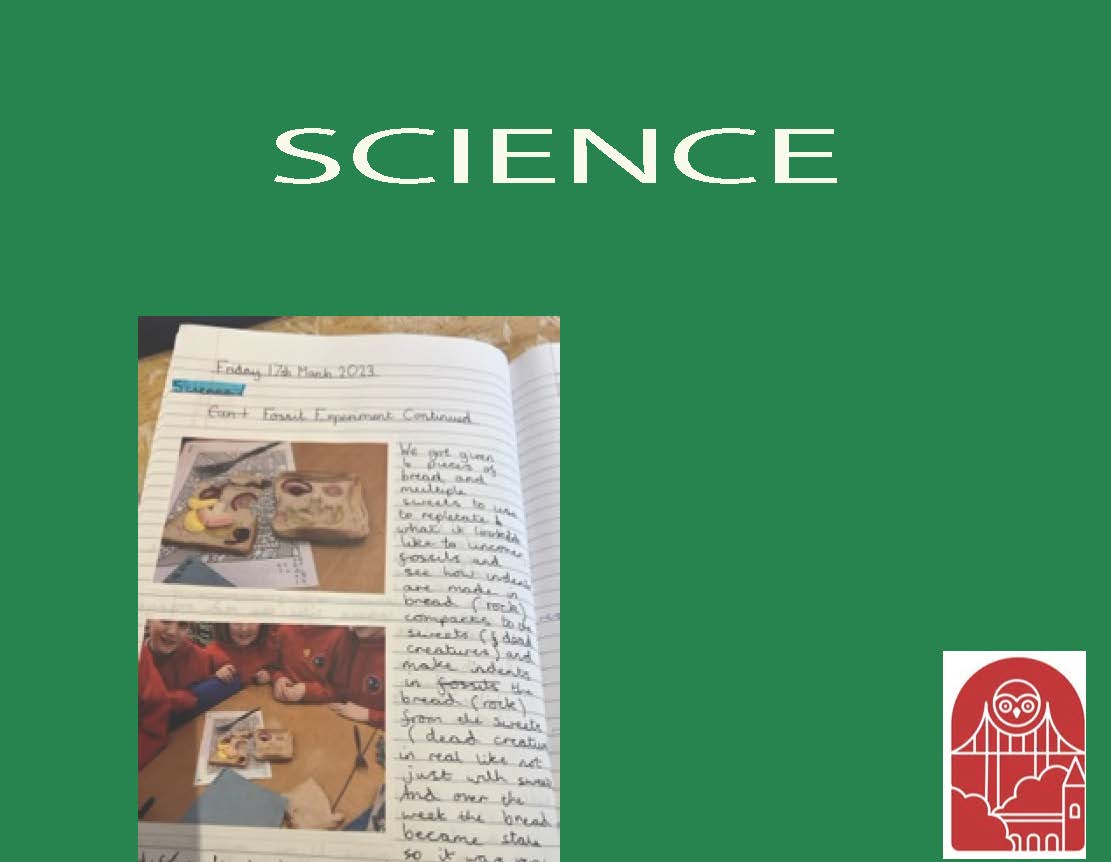
Science lessons will vary from unit to unit but will always be as hands on as possible, whether the children are working with materials, electrical circuits or investigating plants and animals. During each unit of work the children will design and conduct at least one experiment to answer a scientific question and develop their skills in working scientifically.
Summary
Each unit of work will encourage the children to ask and answer questions about science and the world around them. They will develop their scientific knowledge and vocabulary as well as their practical scientific skills.
Impact of Science at North Ferriby
Our pupils are confident in developing scientific knowledge, vocabulary and skills. They are able to explain and discuss different scientific concepts and are able to design, conduct scientific investigations.
They have the opportunity to take part in learning enquires and conduct scientific practical work and fieldwork. Through practical and fieldwork, pupils encounter scientific concepts first-hand and connect their learning within the classrooms with the complexity of the real world.




“I know materials have different properties and can be changed in shape by bending, stretching and squashing.”
“By using modelling and the Crumble Kits, I was able to describe the movement of the Earth, and other planets, relative to the Sun.”
